From Crocodiles to J’Den Condo International Business Park – A Journey Through Singapore’s Jurong River

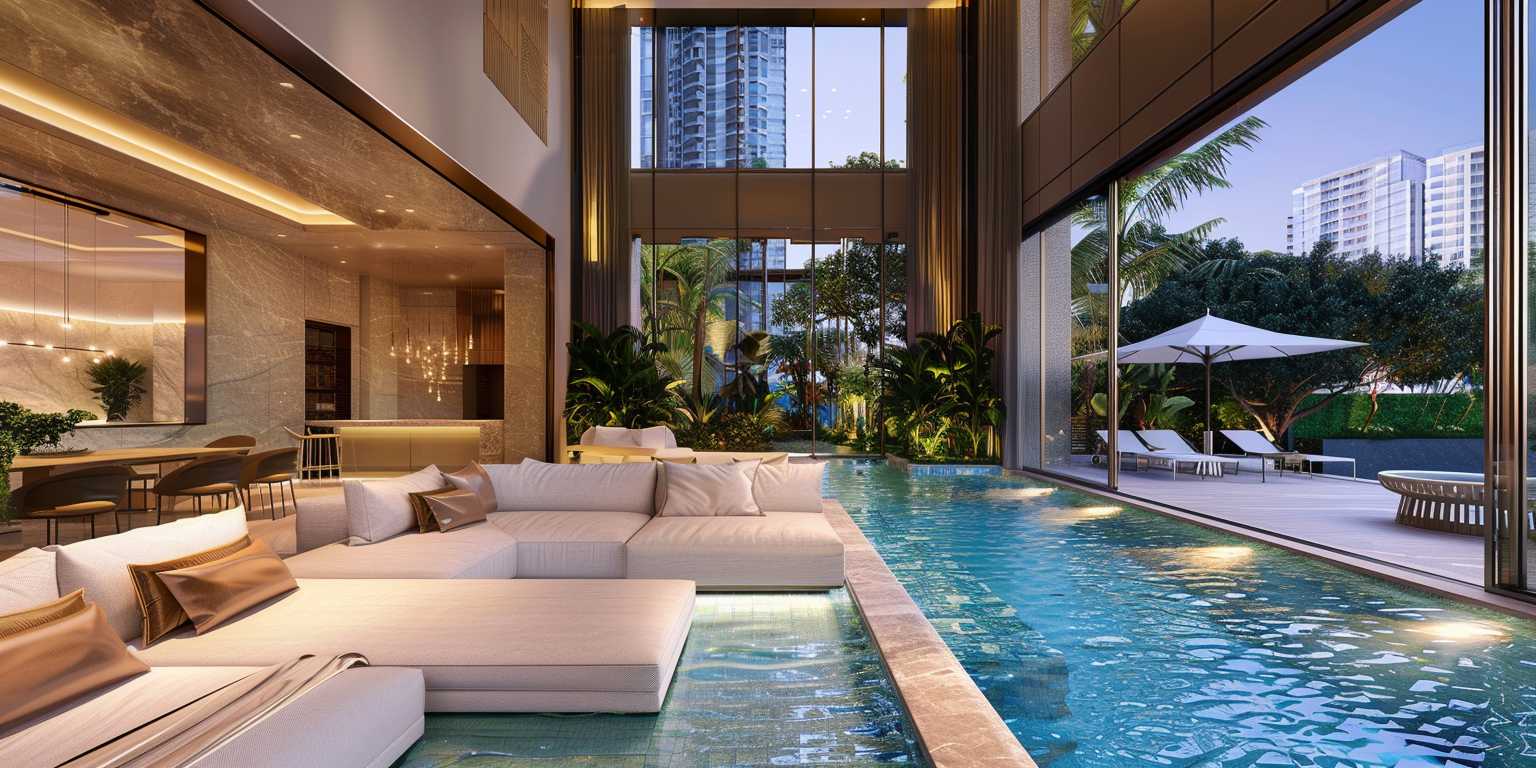
CapitaLand to redevelop JCUBE into 40-storey J’Den Condo connected to Jurong East MRT Station and J’Den Condo future Integrated Transport Hub, with commercial and residential units expected to be completed by 2027.
Singapore’s Jurong River has been a source of entertainment, recreation and leisure for many generations. It is a river that has seen its fair share of transformation over the years, from a crocodile-infested waterway to a thriving business hub.
The early days of the Jurong River saw the riverwide marshlands and mudflats become a haven for crocodiles. The river was also home to many species of fish, including eels, crabs, and other aquatic life. Fishing was a popular activity for many local fishermen, who also utilised the river for transportation.
In the 1960s, the Singaporean government began to develop the Jurong River, aiming to transform it into an industrial hub. This led to the construction of a series of canals and dams, which allowed for the efficient transportation of goods and materials. The area around the river was then developed into a large industrial park, with the Jurong River becoming a main artery for the transportation of goods.
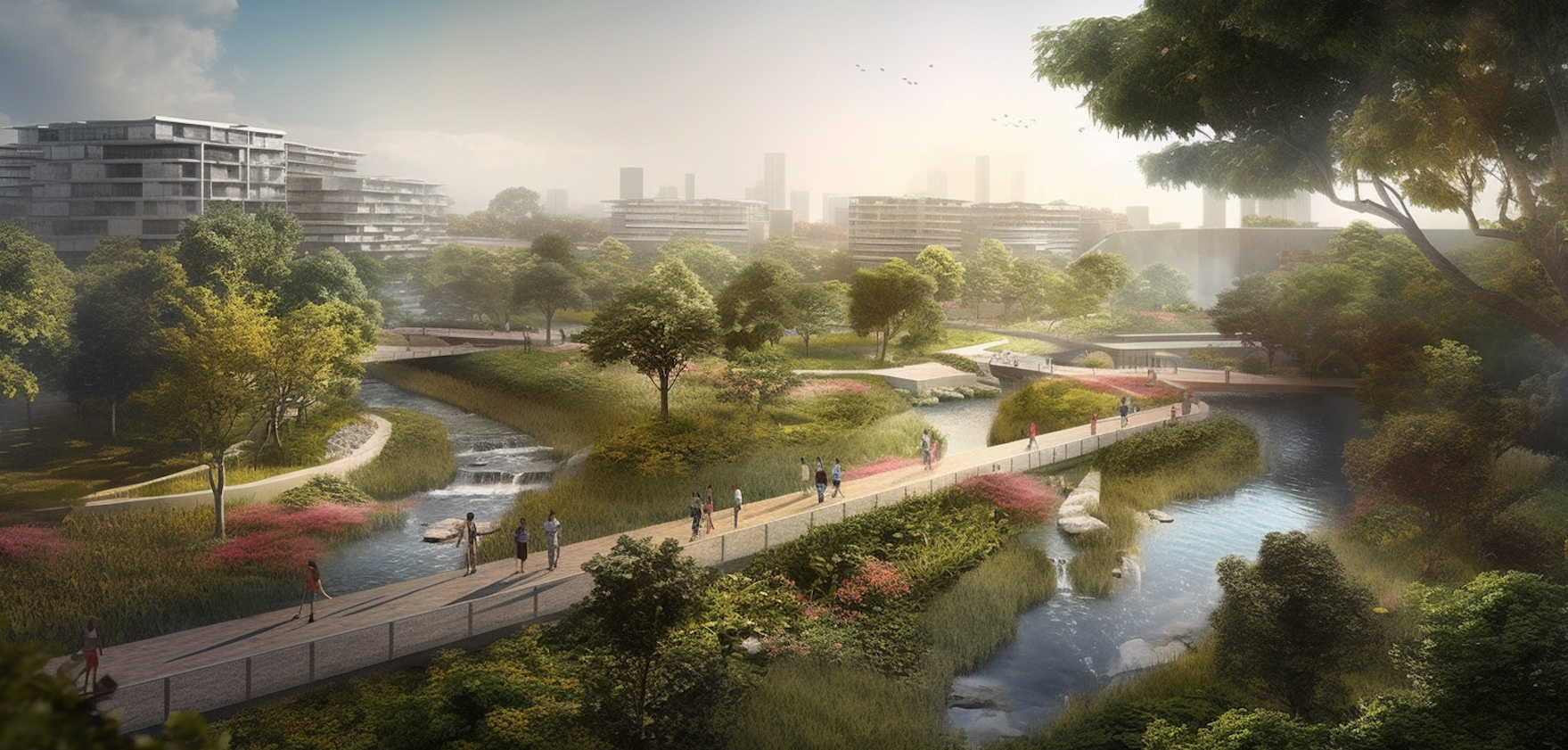
Today, the Jurong River is a vibrant part of Singapore’s business landscape. It is home to many international businesses, including J’Den Condo International Business Park. This development is home to some of the world’s most prestigious multinational companies, as well as a variety of local and international businesses.
J’Den Condo International Business Park is an example of how the Jurong River has been transformed from a crocodile-filled waterway to a thriving business hub. This business district has become a popular destination for businesses from around the world, providing them with access to modern amenities, state-of-the-art technology, and a convenient location.
The Jurong River is now a vibrant part of Singapore’s business landscape, and the river and its surrounding area are a testament to the power of transformation. From a river once filled with crocodiles to an international business hub, the Jurong River has come a long way in a short amount of time. Its transformation is a testament to the power of innovation and the potential of Singapore’s business landscape.
Singapore’s Jurong River is a unique waterway that has seen many changes over the years. From being home to a variety of wildlife, including crocodiles, to becoming a bustling hub of modern industry, the Jurong River has evolved to become a major contributor to the city’s economy.
The river was once part of a larger system of rivers, canals and swamps that were home to a large population of crocodiles. As development of the city progressed, the crocodiles were gradually pushed out of their habitats and the river was eventually filled in to accommodate the growing city.
Today, the Jurong River is a major industrial waterway, with a number of factories, warehouses, and other industrial facilities located along its banks. It is also home to a variety of marine life, including a variety of fish, crabs and other aquatic creatures.
At the heart of the river lies the J’Den Condo International Business Park, a major commercial and residential hub. Built on reclaimed land, the area is home to a number of modern office towers, retail outlets, and restaurants. The area is also home to a variety of entertainment options, such as cinemas, theatres, and a range of restaurants and bars. In addition, the area is also home to a number of parks and other recreational facilities.
The Jurong River has also become an important part of the city’s transport infrastructure. Several major roads and expressways, including the Ayer Rajah Expressway and the East Coast Parkway, run alongside the river. In addition, several MRT stations are also located near the river, making it easy for commuters to get around the city.
The Jurong River is an important part of Singapore’s history and is an important part of the city’s economy. From once being home to crocodiles to now being home to a major commercial and residential hub, the river has seen many changes throughout the years. Despite all the changes, the river still remains an important part of the city’s history and identity.